Rehearsal handover

Rehearsal handover.

A rehearsal handover connects what happened in one session with what needs attention afterwards. This enquiry area focuses on the information being passed on, the status of decisions and the questions still open. Describe the rehearsal context and the gap you want to discuss, with any proposed involvement considered alongside the production's existing practices.

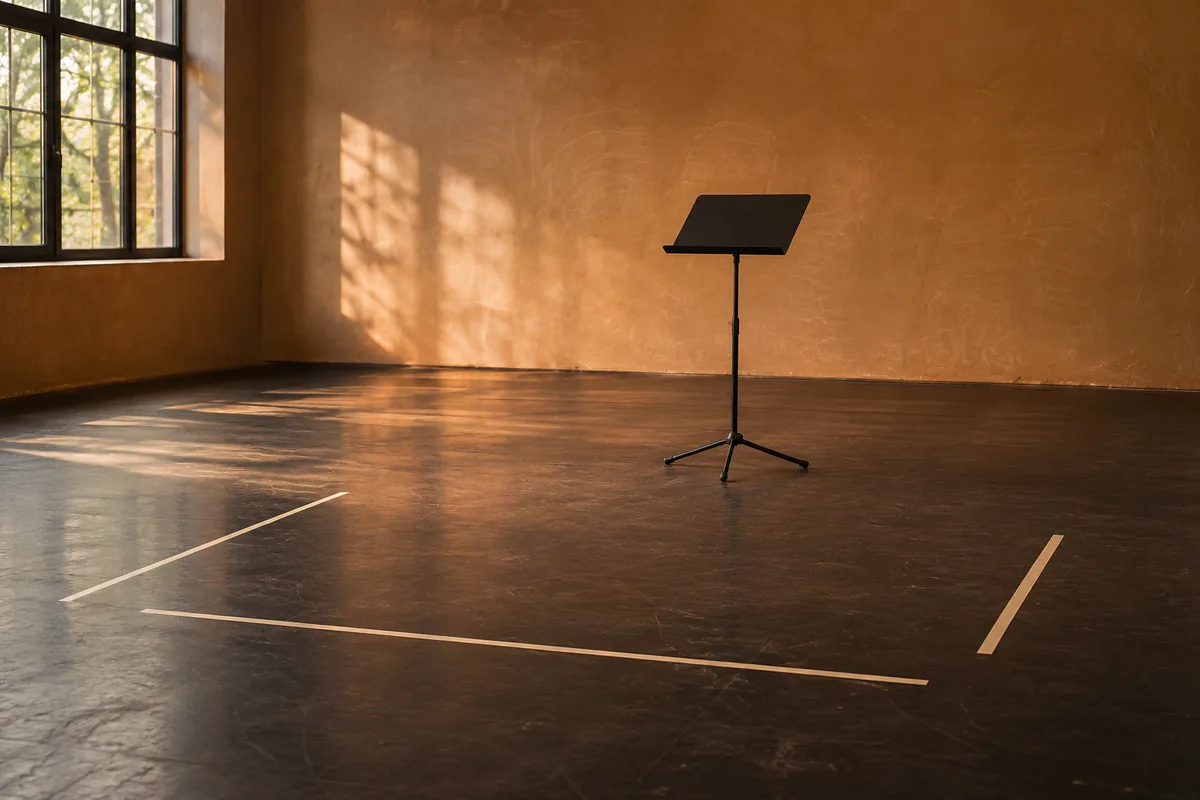
AI-generated illustration of an empty rehearsal studio with pale floor tape and a single black music stand.
Illustrative image · AI-generated
01

Give the notes a clear point of reference

Identify the rehearsal, its date and the part of the work covered. Explain who the handover is intended for and what they need to understand before the next session. Notes that make sense to someone in the room may need more context when read later by a person who was not present.

Name the working version of any sequence or schedule referred to in the notes. If the rehearsal explored an alternative, make clear whether it was adopted, retained for further consideration or set aside. That distinction keeps an experiment from becoming an apparent instruction simply because it appears in a document shared after the session.

02

Separate observations, decisions and actions

Record what was observed in plain language before describing the decision or question it prompted. An entrance needing another look is different from an agreed change to that entrance. Keeping those stages distinct helps the recipient understand whether the note provides background, records a settled choice or asks for attention at the next rehearsal.

Where an action was agreed, record the responsible role and the point at which the outcome is needed. If responsibility has only been suggested, say so. A handover should not silently allocate work to someone who has not accepted it, particularly when an action depends on a separate creative or practical decision elsewhere.

03

Explain changes so they can be followed

For a revised sequence, identify the previous arrangement and the new position in enough detail to avoid ambiguity. Include the reason where it helps someone understand the practical effect. A short explanation can be more useful than forwarding a replacement document without showing what the recipient is expected to notice or reconsider.

Keep unresolved consequences alongside the change that creates them. A new order may affect the next session's preparation, while a deferred decision may leave another note provisional. Showing those links helps the handover carry the thinking forward without pretending that every consequence has already been considered or agreed by the people involved.

04

Prepare the next conversation

End the handover with the questions that still need an answer and the information needed to resolve them. Identify which matter belongs at the next rehearsal and which should be clarified beforehand. This gives the recipient a practical route into the notes while keeping the detail available for anyone who needs the background.

When enquiring, leave contact details through the form and explain the handover context later by email or conversation. Discuss the information available, the intended recipient and the support being considered. Confirm any proposed responsibility for preparing or sharing notes, including how corrections would be handled, before assuming a new arrangement is in place.

Before you get in touch

Project context can follow by email or conversation.

  1. 01

    The session reference

    Have the rehearsal date, the work covered and the current schedule version to hand. Note the intended recipient of the handover and the next point at which the information will be used. These details help explain the purpose of the notes and the level of background someone outside the session might need.

  2. 02

    A record of what changed

    List the confirmed changes separately from ideas still being explored. For each change, note its source and the effect on the next stage of preparation. If two accounts differ, keep that disagreement visible as a question for clarification instead of choosing one version and allowing it to appear settled in the handover.

  3. 03

    The outstanding questions

    Gather the points that need a decision, a correction or additional information. Identify who can clarify each one and when its answer becomes relevant. This gives the subsequent conversation a useful order and helps explain whether the enquiry concerns the structure of the handover, a missing piece of context or an unclear responsibility.

Before the
next step.

Can a handover enquiry concern incomplete rehearsal notes?

Yes. Explain what records exist, which session they cover and where the gaps are. Distinguish missing information from a decision that was never made. A conversation can then focus on the handover question and the proposed involvement without presenting a reconstructed account as a confirmed record of what happened in the room.

Should I send rehearsal recordings with the contact form?

The form collects contact details only. Describe the rehearsal and handover question in a later email or conversation, then discuss what supporting material is relevant and how it should be shared. Start with a concise explanation of the gap; do not assume that a full recording is necessary to understand the initial enquiry.

Your choice is stored on this device for 180 days. Optional tools are not currently connected.

Read the cookie notice.